The most common mistakes with music at corporate events – and how to avoid them
The music often decides whether a corporate event is remembered as a success or as a missed opportunity – and it is usually the same avoidable mistakes that hold a Christmas party, gala or summer event back. As the host you carry the responsibility for employees, clients and partners feeling at ease – and that is exactly why it is worth looking closely at the typical pitfalls around music and planning.
A corporate event is always a shop window, too. If the music does not match the phase of the evening, if there is an awkward silence during the speech, or if the equipment fails with no backup, it quickly looks unprofessional – and that reflects on the host, not on the DJ. The good news: with the right preparation and an experienced DJ at your side, almost all of these mistakes can be avoided from the start.
Mistake 1: the wrong sound for the wrong phase of the evening
A corporate event has several phases – reception, dinner, speeches, networking, dance floor – and each phase needs its own musical tone. A common mistake is playing the whole event at the same energy: either continuous lounge sound that sends the networking part to sleep, or driving beats from the start that make dinner restless.
How to do it better: Think in phases rather than in a single playlist. The reception and arrivals can take relaxed, unobtrusive sound, dinner needs restraint, and only as the evening progresses should the energy rise. An experienced DJ reads the mood in the room and adjusts tempo and volume live – that is the decisive difference from a rigid playlist.
Mistake 2: dinner music too loud or too driving
Nothing disturbs a good business dinner more than music that makes conversation impossible. At corporate events with clients or business partners in particular, dinner is often when the important conversations happen – if the music dominates here, it comes across as disrespectful to your guests.
How to do it better: During the meal, the music clearly belongs in the background. Calm, unobtrusive pieces without prominent vocals or bass create a pleasant atmosphere without drowning out conversation. The volume should be set so that people at the table can talk without effort.
Mistake 3: no conversation with the DJ
A classic music mistake is simply letting the DJ get on with it, without talking beforehand about the running order, the audience and expectations. Without information on age structure, industry, special programme items or no-gos, even the best DJ cannot respond optimally.
How to do it better: Build a preliminary conversation into your planning – in person, by phone or by video. Settle music requests, taboos, the rough schedule and important programme items such as speeches or award presentations. A good basis for that conversation is our article on creating an event playlist – it explains which details really help.
Mistake 4: a fully scripted playlist with no room to move
Some hosts want to play it safe and have a playlist drawn up in advance, timed to the minute for the whole evening. It sounds controlled, but in practice it often produces the opposite: if the audience responds differently from expectations – because a particular style lands especially well or especially badly – a DJ with a rigid list cannot steer flexibly.
How to do it better: Define a framework rather than a track list. Name genres, highlights and absolute no-gos, and give the DJ room within that framework to respond to the crowd live. This interplay of clear structure and flexibility is exactly the heart of a good event running order with timing.
Mistake 5: ignoring the audience and the age mix
Corporate events often bring a very mixed group together – from apprentices to the management, from different departments and generations. Aim the music at your own taste or at one single group and you quickly lose part of your guests.
How to do it better: An experienced DJ works with a broad musical repertoire and watches closely how different groups respond to particular songs. Genre variety rather than a one-size-fits-all programme is the key to keeping as many guests as possible with you through the evening.
Mistake 6: volume – too quiet or too loud
Both extremes are a problem: if the music is too quiet, the event feels listless and the dance floor stays empty. If it is too loud, guests tire quickly, conversation becomes impossible, and at some venues complaints from neighbours or the venue itself become a real risk.
How to do it better: Professional sound and lighting matched to the room size and guest numbers makes the decisive difference here. A good DJ continuously adapts the volume to the phase of the evening and the room acoustics – loud enough for atmosphere, but never at the expense of conversation.
Mistake 7: speeches without a microphone or without musical timing
At corporate events in particular, speeches, words of thanks or award presentations are often a fixed part of the programme. A common mistake: no working microphone is ready, or the music carries on unsuitably during a speech, or cuts in and out too abruptly.
How to do it better: Clarify in advance who speaks, for how long and at which point in the running order. A professional wireless microphone and a DJ who leads cleanly in and out of the speeches ensure those important moments get the attention they deserve acoustically too.
Mistake 8: opening the dance floor too early or too late
Open the dance floor too early, while many guests are still eating or talking, and it often stays empty and the moment is wasted. Open it too late and the energy in the room has already gone, with many guests on their way home.
How to do it better: The right moment cannot be fixed in advance; it emerges from the mood in the room. An experienced DJ recognises it from how the guests behave and moves into it organically – often helped by a well-paced running order that leaves enough buffer for these transitions.
Mistake 9: no backup if the equipment fails
Equipment can fail – a broken cable, a faulty speaker, or a DJ falling ill shortly before the event. Relying on a single operator with no fallback means taking a risk that hits a corporate event particularly hard, because failures are visible to clients and superiors.
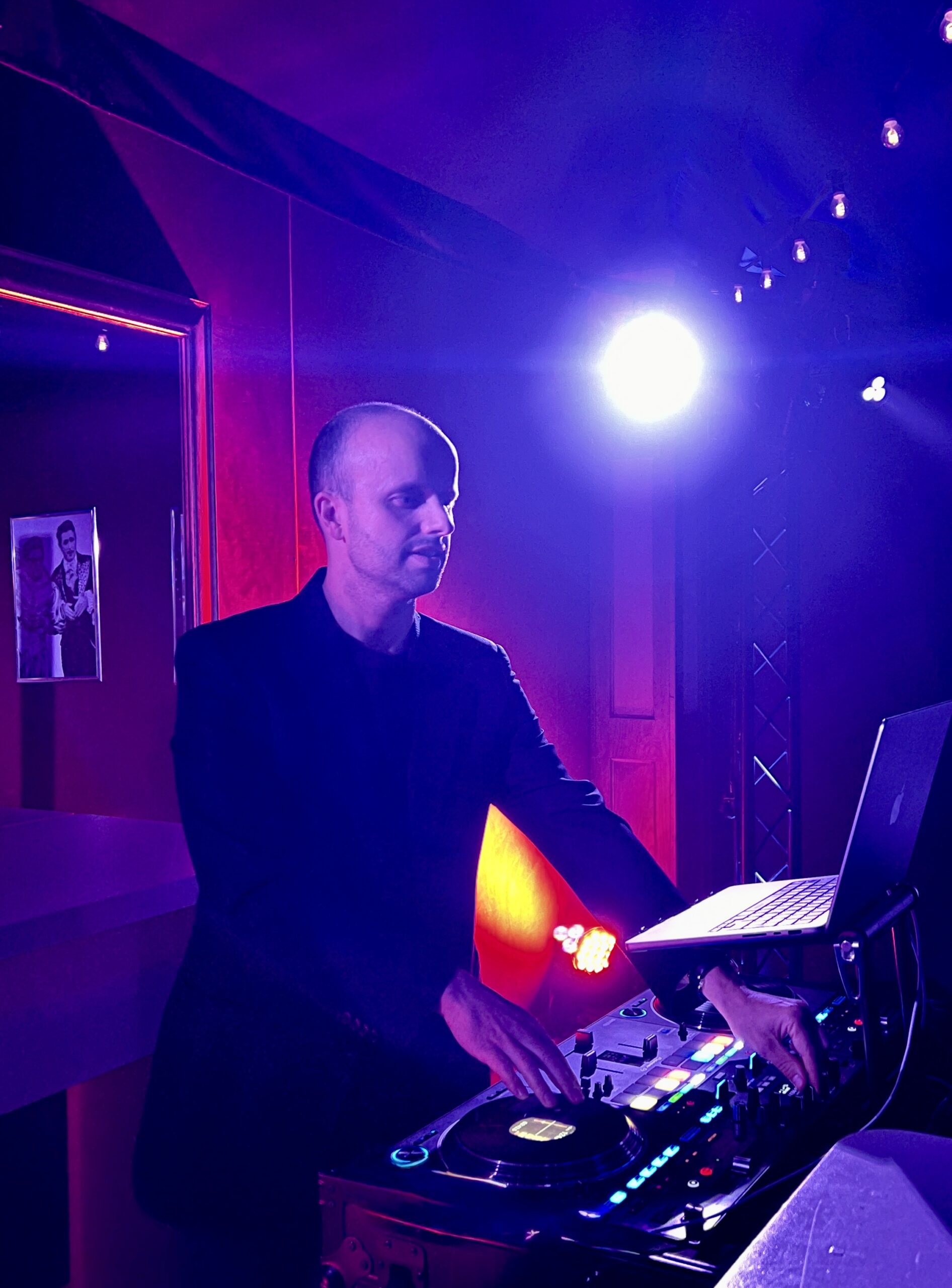
How to do it better: When choosing your DJ team, look specifically for a dependable backup system. At EVENT DJs Berlin, Malte and Dennis provide exactly that security together: two experienced DJs, working for over 20 years, means your event does not depend on one person.
How far in advance should we discuss music requests with the DJ?
Ideally four to six weeks before the event, so there is enough time for questions and adjustments. For larger or special occasions, an even earlier conversation is advisable.
Should we give the DJ a fixed playlist?
A rough direction with genres, highlights and no-gos makes sense; a playlist timed to the minute is usually counterproductive. It takes away the DJ’s ability to respond to the crowd on the spot.
What do we do if guests come from very different age groups?
Go for a DJ with a broad musical repertoire who can switch between genres deliberately. That way different generations can be brought along equally across the evening.
How do we make sure the equipment does not fail?
Ask actively about backup solutions: redundant equipment and a second experienced DJ in the background reduce the risk of a failure considerably.
In summary: good music is planning, not chance
Most music mistakes at events come not from bad taste but from a lack of coordination and a lack of flexibility. Talk to an experienced DJ team early, set a clear framework rather than rigid instructions, and insist on professional equipment with backup, and the music becomes a success factor – not a risk to your reputation as the host.
Are you planning a corporate event and would like to avoid these mistakes from the start? Find out more about our services under Pricing & Packages or contact us directly with no obligation with Malte and Dennis.